
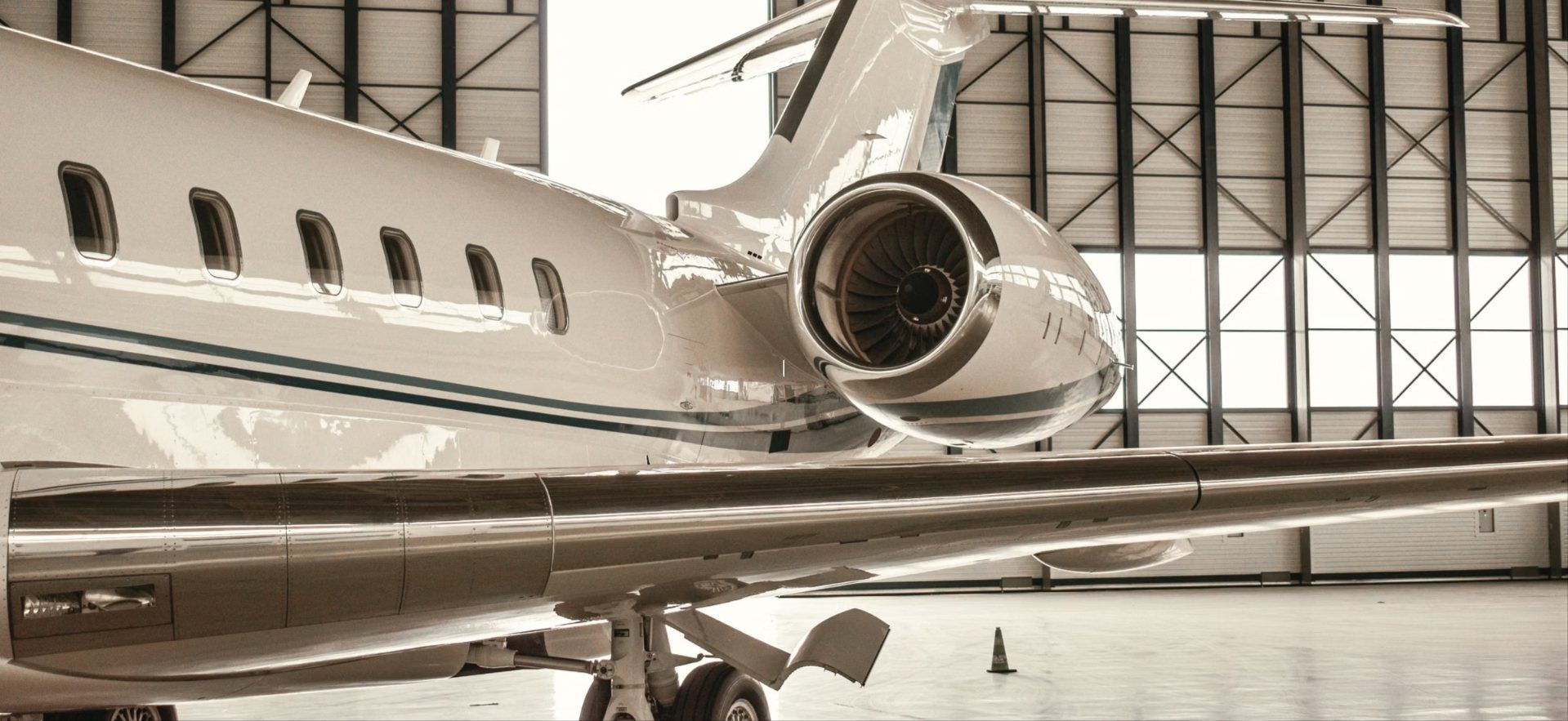
Of all the numbers on an aircraft policy, the hull value is the one owners think about least, until they need it. It decides what you receive if your aircraft is destroyed or damaged beyond economical repair, so it deserves a careful look at every renewal.
What “agreed value” means
Aircraft hull insurance is commonly written on an agreed value basis. You and the insurer agree on the aircraft’s value when the policy begins, and that figure is stated on the policy. If the aircraft is a total loss, the agreed value, less any deductible that applies, is generally what the policy pays.
This is different from coverage based on actual cash value or market value at the time of the loss, which can leave an owner arguing about what the aircraft was worth after the fact.
Why getting the number right matters
Too low: If the agreed value is below what the aircraft is really worth, a total loss leaves you short. You may not be able to replace the aircraft, and if it is financed, you may still owe the lender the difference.
Too high: A higher value means a higher premium. And insurers usually keep the option to repair the aircraft rather than declare it a total loss, so overvaluing an aircraft does not guarantee a larger payout.
When to review your hull value
- At every renewal, using current market data for your make, model and year.
- After major upgrades such as new avionics, interiors or engine overhauls.
- When the market moves sharply, up or down.
- When you refinance, since your lender may require a minimum value.
Partial losses work differently
Agreed value mainly matters after a total loss. Smaller damage claims are usually settled on the cost of repair, subject to your deductible and the policy terms. Your broker can explain how your policy handles both.
How we help
At renewal, we review your hull value with you and present the options the market offers. If you’re not sure your aircraft is insured for the right amount, send us your current policy and we’ll take a look.